How the fcps md lunch menu Meets Community Art: Glossop’s New Murals Spotlight Local Culture
As school districts across the United States fine‑tune the fcps md lunch menu to balance nutrition, cost, and student preference, the town of Glossop, England, is proving that a community’s visual diet can complement any cafeteria plan. Recent murals honoring fashion icon Vivienne Westwood and celebrating local artist Deggy have turned Glossop’s main street into a walking gallery, offering teachers, parents, and students a fresh backdrop while they peruse the lunch choices posted on school bulletin boards.
Why a Lunch Menu Needs More Than Nutrition Facts
Educators increasingly recognize that meals are consumed in a broader cultural context. When students see vibrant art that reflects their heritage, they’re more likely to engage with school communications—menus included. The fcps md lunch menu, which must meet federal nutrition standards while appealing to young palates, benefits from any ancillary stimulus that encourages students to linger at the board and ask questions about ingredients, portion sizes, and allergens.
Research from the National School Lunch Program shows that visual appeal can raise participation rates by up to 12 percent. By integrating community murals into the visual environment, districts can subtly reinforce the idea that healthy eating is part of a larger, community‑centric narrative.
Glossop’s Vivienne Westwood Mural: A Case Study in Public Art
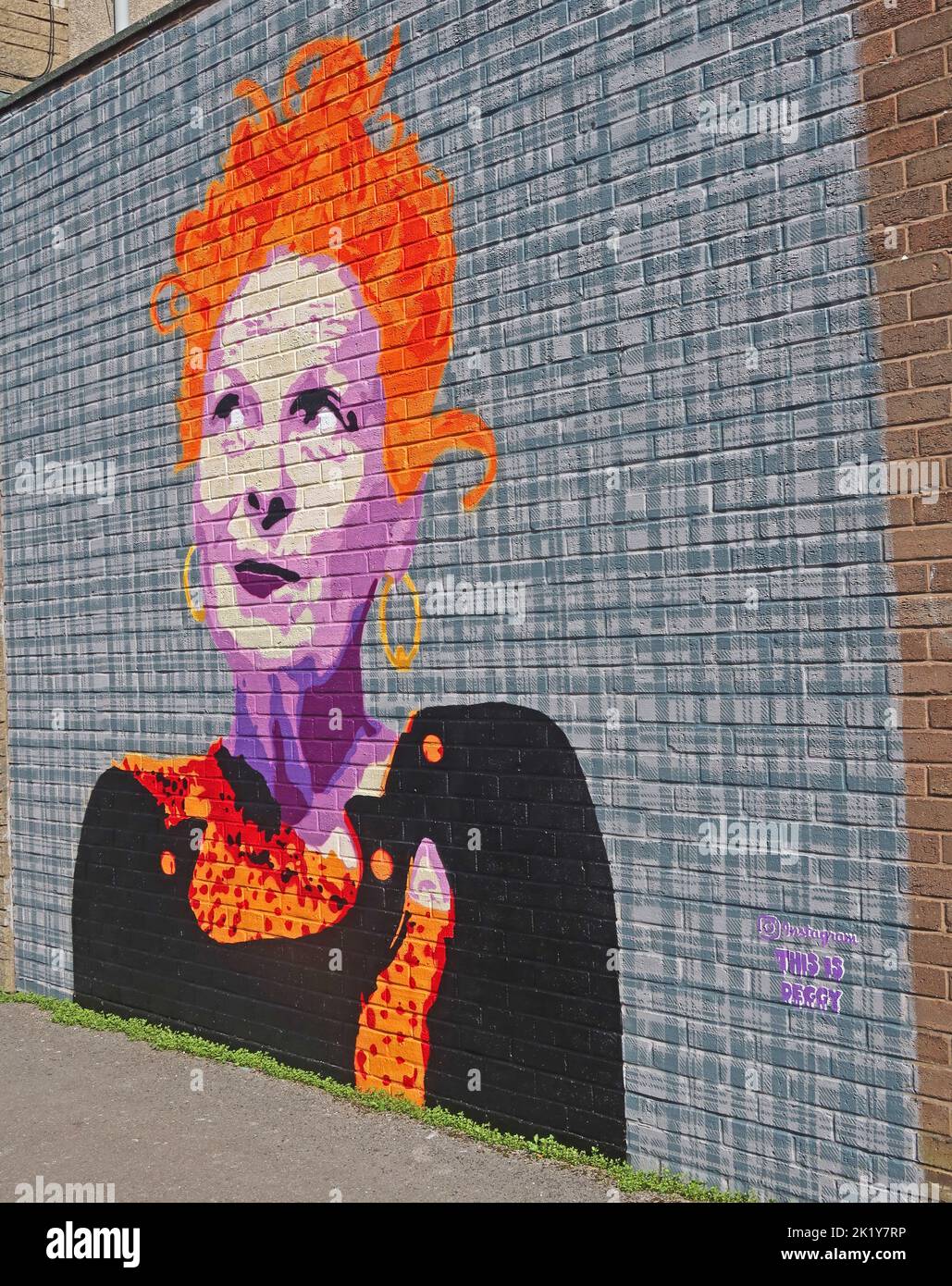
The 12‑metre‑wide mural on Chapel Street, painted by local artist Deggy, depicts Vivienne Westwood in her signature avant‑garde style. Residents report that the piece has sparked spontaneous discussions among schoolchildren about self‑expression, sustainability, and even the origins of the fabrics used in their uniforms. Those same conversations often drift toward the cafeteria, where students compare the boldness of the artwork to the variety of options on the fcps md lunch menu.
Deggy’s New Installation: Extending the Narrative
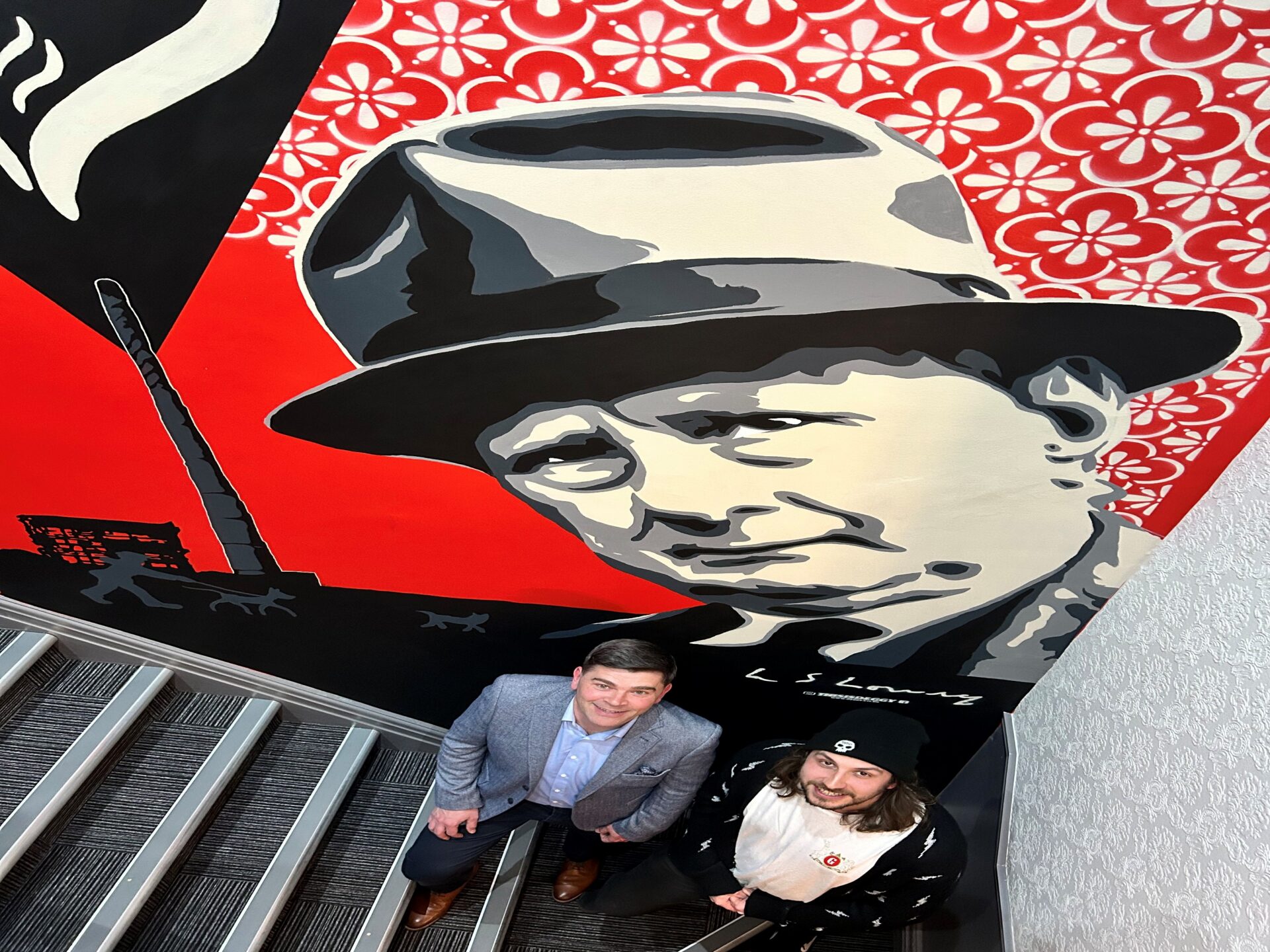
Following the Westwood tribute, Deggy unveiled a second piece, “Threaded Futures,” at the edge of Glossop’s market square. The sculpture incorporates reclaimed textile ribbons and recycled metal, echoing the school district’s push for sustainable sourcing in its lunch program. By placing the artwork near the town’s bus stop—where many students wait for the school line—the piece becomes a passive cue that encourages them to consider how environmental stewardship starts with something as simple as a lunch tray.
Practical Takeaways for School Administrators
- Leverage local art. Coordinate with municipal cultural programs to feature murals or installations near school entrances; the visual stimulus can increase menu awareness.
- Link themes. Align menu themes (e.g., “Green Week” or “World Flavors”) with nearby public artworks that share similar motifs, creating a cohesive narrative.
- Engage students. Invite art classes to contribute to menu boards or cafeteria décor, fostering ownership and curiosity about the fcps md lunch menu.
- Measure impact. Track cafeteria participation before and after integrating community art to quantify any uplift in menu engagement.
Potential Pitfalls and How to Avoid Them
While the synergy between art and nutrition can be powerful, administrators must watch for unintended distractions. Overly busy murals may compete with the clarity of menu information, especially for younger children who need straightforward visual cues. To mitigate this, keep menu signage bold and simple, using contrasting colors that complement, rather than clash with, surrounding artworks.
Additionally, schools should verify that any public art displayed near the cafeteria complies with safety standards. Loose components or reflective surfaces can pose hazards in high‑traffic areas. Conducting a brief risk assessment before installation can prevent costly retrofits.
Looking Ahead: A Model for Integrated Community Outreach
Glossop’s experience demonstrates that a well‑curated visual environment can dovetail with the fcps md lunch menu’s objectives, turning a routine bulletin board into a talking point that bridges nutrition, culture, and sustainability. As districts nationwide grapple with the challenge of feeding diverse student bodies, the lesson is clear: the meals themselves are only part of the story—how they are presented and contextualized within the community can be equally decisive.